

Is It Normal to Be Sore After Seeing a Chiropractor?
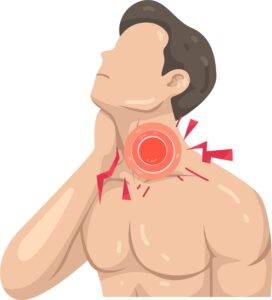
It’s surprisingly common to feel a little sore after seeing a chiropractor. Most people describe it as mild muscle tenderness that fades in a day or so. It doesn’t mean anything went wrong—your body is just adjusting to a new position that may be healthier than the one it’s gotten used to.
Plenty of patients mention this after their visit, especially if they haven’t had chiropractic care before or have been dealing with back and neck pain, chronic pain, or generalized muscle tension. Our chiropractors see this all the time, and we usually explain that soreness simply means certain tissues are waking up and starting to move again as we gradually unwind old patterns.
Why You Might Feel Sore After a Chiropractic Adjustment
When a joint that’s been restricted starts moving the way it should, the muscles around it need a moment to catch up. Those muscles might have been working overtime just to hold you upright, so once we restore motion, they sometimes react with a little pushback.
The same thing happens with posture habits or long-standing tension—if your body has been guarding an area for weeks or years, it won’t always relax instantly. Many people notice this when we’re working on a treatment plan that includes chiropractic care along with soft tissue work or gentle mobility strategies.
If you regularly deal with headaches and migraines, changes in how the neck and upper back move can also temporarily affect familiar muscle tension while everything rebalances.
Which techniques feel the sorest
Some hands-on techniques simply reach deeper places than your body is used to:
- adjustments that restore joint motion
- soft tissue therapy
- trigger point work
- especially when there’s a history of whiplash or auto accident injury
These may stir things up briefly, but most patients tell us they feel looser or more mobile later that day or the next.
How Long Post-Adjustment Soreness Usually Lasts
For most people, it’s fairly short, a day or two. Some people feel better later that same evening once everything settles. A few people feel slightly more sore the next morning and then things improve quickly from there.
We often hear “it feels sore, but it feels like a good sore.” That usually means mobility is improving, blood flow is better, and pressure is easing off irritated tissues. Many patients say they notice improved flexibility or easier posture a day or so later.
If soreness hangs on a little longer, it could be related to inflammation that was already present, older injuries such as whiplash, or simply the fact that your body hasn’t moved this freely in a while. That’s especially true during your earliest visits, when we first begin changing patterns linked to chronic tension or long-standing posture habits.
When Post-Chiropractic Soreness Isn’t Typical
Soreness is one thing, but certain symptoms should be checked. Sharp radiating pain, possibly traveling into the arms or legs or causing limited motion, numbness, or unusual headaches aren’t considered part of the normal response. Those sensations might point to irritation instead of healing, and we want to know about that right away so we can adjust treatment.
What Helps Ease Soreness After Chiropractic Care
A few supportive habits often help your body adapt comfortably:
- gentle stretching
- hydration
- alternating heat and ice
- a short walk
- easing off heavy workouts briefly
- massage therapy
If you’re working with
How Active Edge Approaches Post-Adjustment Comfort
We look at the whole picture—your spine, nervous system, and lifestyle demands. Someone with office-related back and neck pain may need something very different than someone recovering from whiplash or dealing with system-wide inflammation.
Our holistic functional medicine team looks at all factors that play into how the body responds after treatment and can provide movement-focused recommendations as your body adapts comfortably.
When to Come Back
If soreness fades but your original symptoms return, your body may simply need more reinforcement while it learns a new pattern. Patients with long-standing chronic pain or multiple injuries often do best with a short phase of more regular visits, then shift into maintenance once their body is more stable.
Final Thoughts
So, is it normal to be sore after seeing a chiropractor? In most cases, absolutely. Temporary soreness usually means your body is adjusting toward healthier alignment and is often a sign things are headed in the right direction.
If anything feels unusual—or just different from what we talked about during your appointment—we’re always here to listen and adjust your plan based on how your body responds.
Contact Active Edge today and schedule an appointment with us today.