


Thriving Through the Holidays: Your Guide to Staying on Track
- Be Mindful of Seed Oils & Processed Sugars
During holiday gatherings, packaged snacks, baked goods, and convenience foods are everywhere. Many of these are made with refined seed oils and added sugars, which can contribute to inflammation and leave you feeling sluggish. Try these easy swaps:- Replace canola, soybean, and sunflower oils with cold-pressed olive oil, coconut oil, ghee, grass-fed butter, or beef tallow for cooking.
- Trade processed sugars for raw honey, fruit, or dates when you want something sweet. These gentle upgrades can help support steadier energy, healthier digestion, and better overall metabolic balance.
- Protect Your Sleep
Holiday events, travel, and late nights can quickly disrupt your sleep rhythm. While flexibility is part of the fun, try to keep your sleep window as consistent as you can. Aim for 7–9 hours most nights so your body and brain can restore, regulate hormones, and support mood and immunity. Even a few nights of solid sleep can make the season feel less chaotic. - Support Your Liver (Especially When You’re Indulging)
From festive cocktails to sugary treats to extra caffeine, your liver tends to work overtime during the holidays. When it’s overloaded, you may notice fatigue, brain fog, cravings, or that overall “blah” feeling. Here’s how to support your body while still enjoying the season:*Foods that naturally support liver function & clear everyday toxins:
- Cruciferous vegetables (broccoli, Brussels sprouts, cauliflower)
- Garlic and onions
*Start your morning with warm lemon water ⟶ It’s a gentle way to hydrate and support your digestion first thing.
*Think twice before reaching for Tylenol after a night out ⟶ Over-the counter pain relievers like acetaminophen can be hard on the liver. If your headache is from dehydration (due to a night of drinking), start with water + electrolytes and/or trace minerals. Bonus tip: A spoonful of nut butter before bed may help stabilize blood sugar and lessen the morning “hangover slump.”
If you’re noticing persistent symptoms—bloating, fatigue, constipation, or dark under-eye circles—it may be your body’s way of asking for deeper support. This is a perfect time to book a 1-hour wellness deep-dive with me, Laura, so we can understand what your symptoms are communicating.
- Hydrate Like It’s Your Job
One of the most underrated holiday wellness hacks: drink water before anything else each morning. Challenge yourself to drink at least 12 ounces of water when you wake up—before screens, before the day’s chaos, and yes… even before coffee. Add electrolytes or trace minerals for an extra boost. This one simple habit supports: Hormone balance, digestion, mental clarity, steady energy – It’s a tiny action with a big ripple effect.
Fuel your body. Free your mind. Find your EDGE
Laura
Instagram:
@AEhealthcoaching
CHIROPRACTIC CARE – FUNCTIONAL MEDICINE – INTEGRATIVE NP – INFRARED SAUNA – COLD PLUNGE – RED LIGHT THERAPY – NORMATEC – ROLLERBEDS – INVERSION TABLE – CUPPING – DRY NEEDLING – MASSAGE SERVICES – MOVEMENT RETRAINING
The Latest in Health Trends and Tips
What’s going on in the World - Health News
CDC Says Vaccines May Cause Autism
Recent reporting has drawn national attention to a significant update on the CDC’s “Autism and Vaccines” webpage. News outlets noted that while the header still reads “Vaccines do not cause Autism,” the text beneath it now acknowledges that the statement itself “is not an evidence-based claim” because studies have not specifically ruled out every possible pathway. The update also states that certain studies suggesting a potential association have been “ignored by health authorities,” and that the Department of Health and Human Services will be launching a broader investigation into autism’s causes, including biologically plausible mechanisms. Many see this change as an overdue acknowledgment of gaps that still exist in understanding autism and childhood health overall.
Regardless of where one stands, this moment highlights a bigger conversation we can’t ignore: the steady rise in chronic childhood conditions over the past several decades. Rates of asthma, autoimmune conditions, allergies, neurodevelopmental diagnoses, mood disorders, and metabolic issues in children have all increased. These trends are almost certainly multifactorial — involving genetics, environment, nutrition, toxins, lifestyle shifts, and more. But the reality is that families are asking better questions, and they deserve space to explore them without judgment.
HHS Secretary Robert F. Kennedy Jr. supports this shift. He has long advocated for further investigation into how vaccines, along with genetic and environmental factors, may contribute to autism and other chronic illnesses. Kennedy describes this research as essential for understanding the long-term health of children.
We don’t need fear-based dialogue. We need transparency, rigorous research, open inquiry, and clinicians who are willing to look at the whole picture. If you’re a parent trying to make sense of these changes — or trying to understand how to support your child’s long-term health — Active Edge is here to help you navigate that conversation with clarity, compassion, and informed guidance.
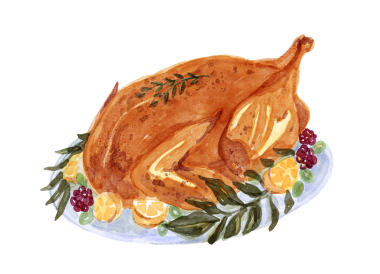
Thanksgiving Turkey Dry Brine
Use a thawed Turkey and let it dry brine 1-2 days before Thanksgiving. Remove it from the fridge 1-2 hours prior to roasting.
- Ingredients for Dry Rub:
- ¼ C mineral salt
- 3 TBSP date/coconut sugar
- 2 TBSP minced sage leaves
- 1 TBSP minced rosemary leaves
- 1 TBSP minced thyme leaves
- 4 garlic cloves, minced
- 2 tsp black pepper
- 1.2 tsp cayenne pepper (optional)
- 2 TBSP lemon zest
- Ingredients for Turkey:
- 1 (12-18lb turkey)
- 2 C chicken bone broth
- 6 TBSP unsalted grass-fed butter
- Instructions:
- Mix together the dry ingredients and rub the dry brine all over the Turkey.
- Refrigerate uncovered for 24-48 hours
- Remove from fridge for 1 hour at room temp & preheat oven to 425
- Rub the softened butter under the skin of the bird & tie the legs together with kitchen twine
- Fill a roasting pan with the broth & place turkey in it. Brown in oven for about 20mins.
- Reduce oven temp to 325 and continue roasting, basting the turkey every 20-30 mins with the broth/juices from the turkey.
- When the turkey starts to look golden brown all over, tent with foil & continue to cook until the thermometer reaches 160 (put into the thickest part of the thigh)<.li>
- Let turkey rest for 20-30 mins before carving – feel good about gobbling up this guilt free recipe!
Link Between PPI Use and Chronic Health Concerns
Thanksgiving is often a time of indulgence, and many people reach for a Proton Pump Inhibitor (PPI), like Omeprazole, to relieve the fullness or heartburn that follows. What many don’t realize is that long-term use of PPIs can lead to significant health concerns. Surprisingly, heartburn is often caused by too little stomach acid, not too much. Low stomach acid, combined with slowed motility in the esophagus, stomach, and lower esophageal sphincter, can make digestion less efficient. PPIs work by making the stomach more alkaline, which reduces the burning sensation but this also disrupts the protective mucosal lining of the stomach. Over time, this can impair digestion and nutrient absorption, potentially leading to broader health issues.
- Chronic PPI use can cause:
- Mineral malabsorption and deficiencies when stomach acid is suppressed leading to an increased risk of bone fractures
- Increased risk of bacterial and parasitic overgrowth entering the small intestine due to reduced acid defense, contributing to SIBO, bloating, and gas
- Impaired protein digestion because pepsin isn’t activated without acid, leading to low essential amino acids despite adequate intake
- Dramatically reduced stomach acidity with each dose (about a 95% drop), yet many users still report worse reflux symptoms over time

Curious how you can ease heartburn without relying on PPIs? Book a consult with me to discover a safer, long-term solution that works for your body.